
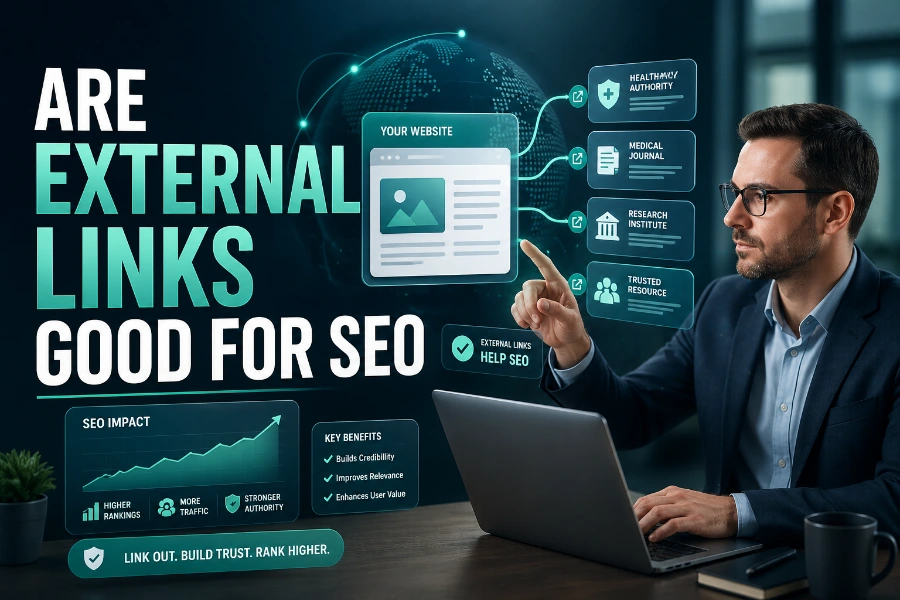
External links have been a topic of much debate among SEO professionals. While some argue that these links are crucial for improving website authority, others are skeptical of their effectiveness in modern search algorithms.
In this article, we will dive into the role external links play in SEO and why they can be both beneficial and risky for your website’s ranking. You’ll have a comprehensive understanding of how external links affect your SEO and how to use them to your advantage.
What Are External Links and Why Do They Matter for SEO?
External links, often called outbound links, are links that point from your website to a different website. These links are valuable because they can help search engines understand the relationships between websites, thus influencing your ranking on search engine results pages (SERPs). External links also contribute to a better user experience, providing visitors with valuable resources that complement your content.
One of the most significant advantages of external links is their role in boosting a website’s authority. When you link to high-quality, reputable sources, search engines like Google interpret this as a sign that your content is credible. Additionally, external links help diversify your content, enriching it with information from authoritative sources. For example, you can enhance your articles on healthcare topics by linking to resources from established organizations. You can find out the top healthcare SEO services in the UK to optimize your site and understand how authoritative links can elevate your content’s value.
However, it is essential to strike a balance. Excessive use of external links can negatively impact your SEO by diluting your site’s authority. To mitigate this risk, it is important to ensure that the external sites you link to are high-quality, relevant, and trustworthy. For instance, local SEO for healthcare providers is one such area where linking to high-quality local resources can significantly improve your site’s search visibility.
How Do External Links Impact Your SEO Ranking?
When evaluating whether external links are good for SEO, the answer is multifaceted. External links can directly influence your SEO ranking in several ways. When search engines crawl your site, they analyze the external links pointing to other sites as signals of your site’s relevance and authority. A few key points regarding how external links impact your SEO include:
- Increased Trustworthiness: Linking to authoritative websites signals to search engines that your content is backed by credible sources, improving your site’s trust factor.
- Improved User Experience: External links provide users with access to further information on topics of interest, making your content more valuable and engaging.
- Relevance: The relevance of the external link matters. Linking to sources that are closely related to your content enhances the relevance of the information presented on your site.
Understanding how to use external links strategically can make a significant difference in your site’s search engine performance. If you are unsure about the best practices for using external links, you may find value in learning more about on-page SEO for healthcare providers to better integrate external links with your on-site content.
Best Practices for Using External Links in SEO
To maximize the benefits of external links while minimizing risks, consider implementing these best practices:
1. Link to Reputable Sources
The quality of the external sites you link to matters more than the quantity. Always prioritize reputable, authoritative websites that are known for providing valuable, accurate information. By doing so, you send positive signals to search engines that your site is trustworthy.
2. Relevance Is Key
Ensure that the external links you include are relevant to the content you’re providing. Linking to off-topic or irrelevant sites can confuse both users and search engines, potentially leading to a drop in rankings.
3. Use “Nofollow” for Certain Links
While most external links should be “dofollow,” meaning they pass SEO value to the linked website, there are times when using “nofollow” is appropriate. For example, if you’re linking to a paid resource or an advertisement, it’s best to use a “nofollow” tag to avoid passing link equity to a site that may not align with your SEO goals.
4. Keep External Links in Check
Be mindful not to overwhelm your readers with too many external links. A cluttered article with excessive outbound links can detract from the user experience, making it harder for them to focus on the main content. Instead, be strategic about which external links you include, ensuring they add real value to your audience.
By following these best practices, you can ensure that external links contribute positively to your SEO efforts, leading to higher search rankings and improved user experience.
The Risks of Overusing External Links
While external links can be beneficial, overusing them can have negative consequences. Too many external links may dilute the authority of your site and disrupt the flow of your content. This can also potentially confuse search engines, as they may interpret the excessive outbound links as a sign that your content lacks originality or relevance.
Additionally, external links can introduce risks if you link to unreliable or low-quality websites. These sites may harm your site’s credibility and lead to penalties from search engines. To avoid these risks, it’s crucial to maintain a strategic approach when using external links. You can reduce these risks by focusing on content marketing for healthcare providers that prioritizes the creation of valuable and original content.
Monitoring External Links for SEO Health
After incorporating external links into your content, it’s important to regularly monitor them to ensure they remain relevant and functional. Broken links or outdated references can negatively impact user experience and harm your site’s credibility. Tools like Google Search Console and various SEO audit platforms can help you monitor external links and keep track of their performance.
If you’re managing a large website or dealing with a high volume of external links, conducting regular SEO audits is essential. You can start by reviewing your links and making sure they still serve a purpose. Understanding how to perform an SEO audit for healthcare websites can provide you with the tools necessary to streamline your external linking strategy.
Conclusion
So, are external links good for SEO? The answer is yes, but with careful consideration. They can help boost your site’s credibility, improve user engagement, and enhance search rankings when used strategically. However, too many external links or poor-quality links can have the opposite effect, lowering your site’s authority. By following best practices and ensuring the quality and relevance of the sites you link to, you can leverage external links effectively to boost your website’s SEO performance.
For healthcare providers, understanding the importance of strategic external linking can lead to enhanced search visibility and increased traffic. By focusing on high-quality external links and adhering to SEO best practices, you can create a more robust SEO strategy that drives success.
FAQs
How do external links affect SEO?
External links can enhance SEO by signaling to search engines that your content is credible and valuable. When you link to authoritative websites, it improves your site’s trustworthiness, which can positively impact search rankings and user experience.
Are all external links beneficial for SEO?
Not all external links are beneficial. Linking to high-quality, relevant, and reputable sites helps improve your SEO. Linking to low-quality or irrelevant websites can harm your rankings, so it’s essential to choose your external links carefully.
How many external links should I use for SEO?
There is no fixed number of external links that work best for SEO. Use them strategically to enhance your content’s value. Too many links can overwhelm your readers and diminish the quality of your content, negatively impacting SEO.
Should external links be “nofollow” or “dofollow”?
Most external links should be “dofollow” to pass SEO value, but links to paid content, advertisements, or untrustworthy sites should be “nofollow.” This helps control the flow of link equity and prevents passing value to low-quality sites.
Can external links improve user experience?
Yes, external links improve user experience by offering additional relevant resources and information. When you link to reputable websites, users can access valuable insights, enriching their experience and potentially increasing time spent on your site, which benefits SEO.
Do external links increase website authority?
External links can increase website authority when they point to reputable and authoritative sources. By linking to high-quality websites, search engines see your content as more credible, which can positively impact your domain authority and overall SEO performance.
Can external links hurt SEO rankings?
External links can hurt SEO rankings if they link to irrelevant, spammy, or low-quality websites. Overusing external links or linking to untrustworthy sources can dilute your site’s authority and may result in penalties from search engines like Google.
How do external links affect domain authority?
External links can enhance domain authority by establishing trust with search engines. When you link to high-authority websites, you indicate that your content is well-researched, and Google may reward this with higher rankings, improving your domain’s credibility.
Are external links better than internal links for SEO?
Both external and internal links play important roles in SEO. External links help establish your content’s credibility and authority, while internal links enhance site navigation, spreading link equity across your pages. A balanced approach benefits overall SEO performance.
How do I choose the right external links for SEO?
Choose external links from authoritative and relevant websites. Ensure the content you link to aligns with your topic and provides additional value to your audience. Linking to trusted sources signals credibility to search engines and strengthens your SEO strategy.